





Blog / Moore's Chevrolet Service

Chevy Equinox Maintenance Guide

Chevy Equinox Maintenance

Keeping Your Ride Running Smoothly

As a proud owner of a Chevy Equinox, it’s important to understand how to keep your vehicle in top-performing condition, and regular maintenance is absolutely necessary to keep you safe every time you drive. At Moore’s Chevrolet, we believe in providing our customers with the best care and information possible to help them maintain their vehicles. In this comprehensive guide, we’ll walk you through the steps you need to take to make your Chevy Equinox’s maintenance appointments on time, so you can prepare and set aside money ahead of any potential issues that may arise and keep your SUV running smoothly for years to come. Schedule your appointment at our service center in Clarksville, VA, today!
Chevy Equinox Maintenance Schedule

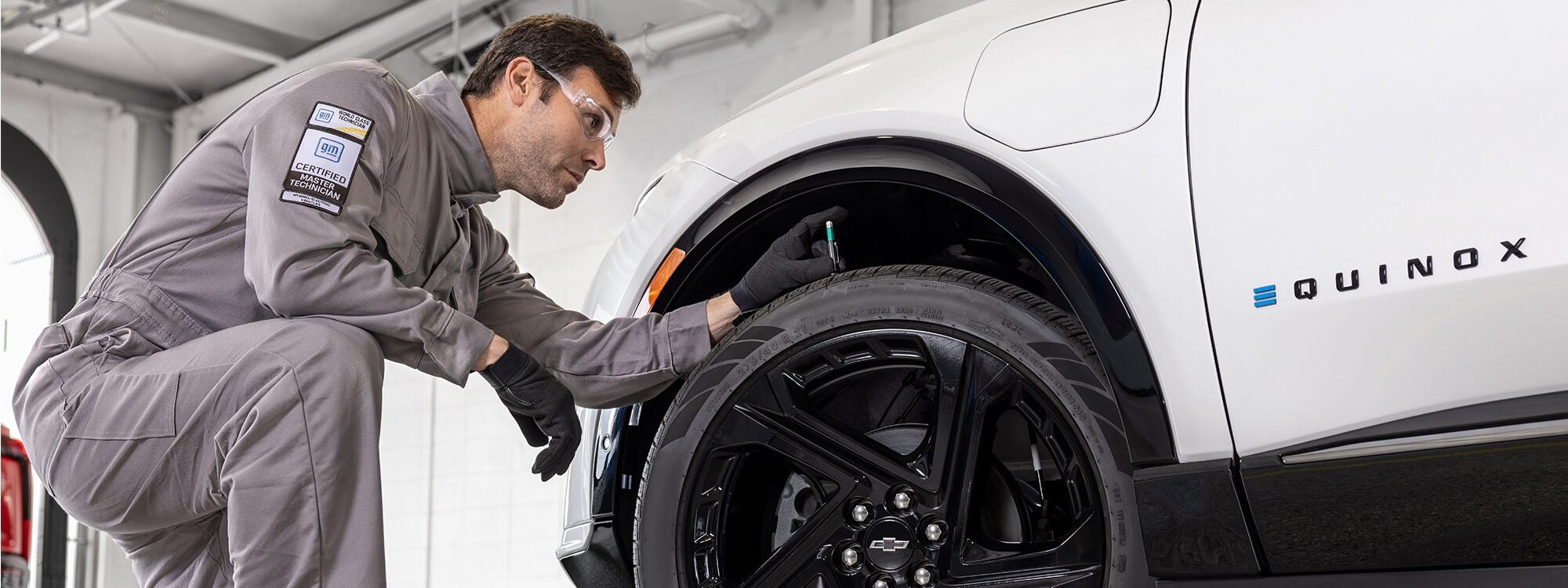
The Chevy Equinox Maintenance Schedule

Every 7,500 Miles

  • Rotate Tires: Rotating tires during your Chevy Equinox’s maintenance appointments helps ensure even wear and prolongs their lifespan. During this service, your technician will also investigate any potential damage to the tire, including nails and glass, that could cause tire punctures and flats. Uneven tire wear can affect your vehicle’s handling and overall fuel efficiency.
  • Change Oil and Filter: Replacing the engine oil and oil filter prevents clogging or other problems from entering the engine, keeping it running smoothly.
  • Routine Inspection: A thorough inspection of the brakes, belts, and hoses, listening for any odd noises, and inspecting potential leaks is needed to catch any early signs of wear or damage.

Every 15,000 to 20,000 Miles

  • Lubricate Hood Hinge and Trunk: Adding lubrication to the hood hinge and trunk ensures that they can open and close smoothly and properly while preventing rust build-up and squeaking.
  • Replace Cabin Air Filter: Replacing the cabin air filter keeps air pollutants and toxins out of the cabin to keep you and your passengers safe and healthy, breathing clean, fresh air.
  • Brake Pad/Rotor Inspection and Replacement: Around this mileage, technicians should begin to inspect your brake pads, rotors, and fluid levels to keep your brakes working properly, replacing them if any excessive wear or damage is found.
  • Tire Inspection and Replacement: While inspections are typically performed every 7,500 miles during tire rotations, around this mileage, it may be necessary to replace the tires during your Chevy Equinox’s maintenance appointment.

Every 60,000 to 90,000 Miles 

  • Valve Inspection and Adjustment: Your technician should inspect all valves at this mileage to ensure they’re working properly, maintaining proper performance and fuel efficiency.
  • Spark Plugs Inspection and Replacement: Spark plugs ensure that your engine is able to function by providing ignition to the air-fuel mixture. At this mileage, they should be inspected and replaced if necessary.
  • Engine Coolant Replacement: Coolant prevents overheating of the engine, and replacing it prevents engine corrosion. This should be topped off, if not replaced, to keep the engine running smoothly and at the proper temperature.
  • Differential Fluid Replacement: At your Chevy Equinox’s maintenance appointment, have them replace the differential fluid, which is responsible for cooling and lubricating the internal gears and bearings of the differential.
  • Timing Belt Inspection and Replacement: Around these mileages, your technician should inspect the timing belt to check for wear and tear of the timing belt and replace if necessary to avoid engine damage.

100,000 Miles

  • Transfer Case Fluid Replacement: The transfer case fluid should be replaced at this mileage to ensure smooth operation of your vehicle’s four-wheel-drive system to keep the power between your front and rear wheels balanced.
  • Transmission Fluid Service: Have your transmission fluid replaced at this mileage to keep the gears of your shifter lubricated to ensure the longevity of your transmission.

Chevy Equinox Maintenance Cost

When buying a car, it’s important to keep track of the long-term maintenance costs associated with the vehicle so that you can plan accordingly and budget ahead of time when service milestones come up. The cost of Chevy Equinox maintenance does depend on service prices at a given service center and how new the vehicle is, as the Chevy Equinox’s maintenance will cost less when it’s closer to being brand new. It will also depend on your driving habits. 
Chevy Equinox Maintenance Cost

Trust Moore’s Chevrolet For Your Maintenance Needs

Regular checkups and timely service during your Chevy Equinox’s maintenance appointments is essential for guaranteeing longevity and safety from your vehicle by preventing major issues and keeping your vehicle in the best condition possible. At Moore’s Chevrolet, we’re committed to providing you with the best service and support to ensure that your Chevy Equinox remains a reliable companion on the road for the years to come. Schedule your next maintenance appointment with us today and experience the difference of our expert care and service!


SCHEDULE SERVICE

Posted in:

Related Posts

Fleet Maintenance Plan

The Ultimate Fleet Maintenance Plan: Maximize Uptime, Minimize Costs

Keeping Your Fleet In Working Shape If your business depends on the fleet of vehicles, then you already know that downtime is the enemy of productivity. Every hour a truck, van, or service vehicle is idle due to an unexpected breakdown, you lose money, time, and possibly even customer trust. At Moore’s Chevrolet, we’ve worked with countless businesses to help them streamline their operations. In this guide, we’ll break down the strategies, best practices, and insider tips to help you maximize uptime while keeping costs low with a fleet maintenance program. Schedule your service with our experts today in Clarksville, VA! Why Your Maintenance Plan Matters More Than You Think Some businesses see maintenance as an afterthought—something to deal with when a vehicle starts acting up. Being reactive when it comes to maintenance can lead to bigger issues like expensive emergency repairs, lost productivity, shortened vehicle lifespan, and safety risks. A single out-of-service vehicle can throw off your entire schedule. Without proper care, your fleet will wear out much faster, forcing you into costly replacements sooner than necessary. Waiting until something breaks usually costs more than preventing the issue in the first place, and poorly maintained vehicles put drivers, cargo, and others on the road in danger. A fleet maintenance plan ensures every vehicle gets serviced at the right intervals, reducing the risk of breakdowns and keeping operations running efficiently. Building A Smarter Fleet Preventive Maintenance Program A good fleet maintenance plan starts with the right schedule. Determining timing for vehicle maintenance depends on mileage and usage patterns, operating conditions, manufacturer recommendations, and past maintenance history. A vehicle that covers hundreds of miles a day will need more frequent servicing than one that’s used occasionally. Stop-and-go city driving, heavy loads, or extreme temperatures can accelerate wear and tear. If a vehicle has had repeated issues, it may need more frequent inspections to prevent further problems. A tailored fleet preventive maintenance checklist is essential for enhancing vehicle reliability and longevity. The goal is to create a fleet maintenance plan that aligns with real-world usage rather than relying on generic timelines. Advanced tracking tools and telematics can help monitor vehicle performance and identify when maintenance is truly needed rather than relying on guesswork. Preventive vs. Reactive Maintenance: Why The Right Approach Saves Maintenance Costs A common error among fleet managers is adopting a reactive strategy, where they only respond after an issue arises rather than proactively addressing potential problems before they occur. Waiting longer leads to higher repair costs, longer downtime, and more frustration for everyone involved. The fleet preventive maintenance strategy flips the script by focusing on early detection and routine servicing. Oil and Fluid Changes Keeping engines lubricated and cooling systems in check is a crucial maintenance task that prevents overheating and breakdowns. Brake Inspections Ensuring that braking systems function properly reduces accident risks and extends the life of rotors and pads. Tire Management Regular rotations, alignments, and pressure checks improve fuel efficiency and prevent blowouts. Battery Checks Avoid unexpected failures by testing battery health and replacing aging units before they die. Transmission and Drivetrain Maintenance Prevent costly transmission failures with routine inspections and fluid changes. The key to an effective fleet preventative maintenance program is a streamlined maintenance process. Skipping scheduled services might seem like a short-term cost-saving measure, but it often leads to much bigger expenses down the road. Vehicle Maintenance Checklist A comprehensive vehicle maintenance checklist is an indispensable tool for fleet managers, ensuring that all necessary maintenance tasks are executed consistently and on time. Here are some key tasks that should be included in your checklist. Oil Changes and Filter Replacements: Regular oil changes keep the engine running smoothly and prevent wear and tear. Tire Rotations and Pressure Checks: Proper tire maintenance improves fuel efficiency and reduces the risk of blowouts. Brake Pad Replacements and Brake Fluid Checks: Ensuring the braking system is in top condition enhances safety and prolongs the life of brake components. Battery Maintenance and Electrical System Checks: Regular battery checks prevent unexpected failures and ensure reliable vehicle starts. Fluid Checks and Top-Offs: Keeping all fluids at optimal levels prevents overheating and mechanical failures. Belt and Hose Replacements: Regular inspections and replacements prevent breakdowns caused by worn-out belts and hoses. Air Filter Replacements: Clean air filters improve engine performance and fuel efficiency. Spark Plug Replacements: Ensuring spark plugs are in good condition helps maintain engine efficiency. Vehicle Inspections and Safety Checks: Routine inspections catch potential issues early, ensuring the safety and reliability of the fleet. By following this checklist, fleet managers can ensure their vehicles remain in peak condition, reducing the likelihood of costly repairs and downtime. The Role of Technology and Fleet Maintenance Planning and Scheduling Gone are the days of relying on paper logs and manual tracking. Modern fleet management systems provide real-time insights into vehicle performance, allowing the fleet manager to monitor diagnostics remotely, track maintenance history, automate scheduling, and optimize routes and fuel efficiency. Many vehicles now have onboard sensors that can detect early warning signs before a breakdown occurs. Some systems can analyze driving habits and suggest ways to reduce wear and tear on vehicles. Keeping detailed records ensures no service is missed and helps identify recurring issues. Training Drivers To Be Part of the Maintenance Solution Even the best fleet maintenance plan won’t work if drivers aren’t paying attention to their vehicles. Since they’re the ones behind the wheel every day, they play a crucial role in spotting early signs of trouble and performing preventive maintenance tasks. You must encourage drivers to perform basic daily checks, such as checking tire pressure and treadwear, listening for unusual noises, reporting dashboard warning lights immediately, and noticing changes in handling or braking performance. Trust Our Experts At Moore’s Chevrolet By investing in a strong fleet maintenance plan, businesses can minimize downtime, reduce repair costs, and extend the lifespan of their vehicles. Want to optimize your fleet and keep your vehicles on the road longer? Whether you need routine maintenance, advanced diagnostics, or emergency repairs, our team is here to help. Contact Moore’s Chevrolet today, and let's build a maintenance strategy that works for your business. SCHEDULE SERVICE

Chevy Winter Tires

Chevy Winter Tire Guide

No Worries In Winter Weather Driving conditions can change drastically as the temperatures plummet and snow blankets the roads. For Chevy drivers and regions with harsh winters, equipping your vehicle with the right set of winter tires is an essential investment in safety, control, and performance. Whether you own a rugged Chevy Silverado 1500, a family-friendly Chevy Traverse, or an efficient Chevy Malibu, winter tires are key to confidently navigating icy roads. At Moore’s Chevrolet, we’re here to help you understand why winter tires are crucial for your Chevy and how they can improve your driving experience during colder months. In this guide, we’ll dig into the benefits of snow tires and how they can enhance your Chevy vehicle for the ultimate winter driving experience. Visit us today in Clarksville, VA! The Case For Winter Tires Winter driving isn’t the same as driving in warmer conditions, and your tires are the foundation of safe handling. All-season tires are built to perform well in a range of weather conditions, but they simply can’t compete with the enhanced performance that winter tires provide in snowy and icy situations. Winter tires are specially engineered with features designed for cold climates. Superior Grip On Ice And Snow The rubber compounds used in winter tires remain flexible at freezing temperatures, which provides better contact with the road. Enhanced Tread Design With Softer Rubber Winter tires have deeper grooves and more biting edges, helping them dig into snow and shed slush to prevent hydroplaning. It is crucial to select winter tires that can effectively navigate through deep snow, ensuring optimal performance in extremely snowy conditions. Shorter Stopping Distances On icy roads, winter tires can reduce stopping distance by as much as 30% compared to all-season tires. For Chevy owners, the benefits of winter tires are amplified when paired with your vehicle’s advanced safety features, such as stability control, all-wheel drive, and anti-lock brakes. Chevy Winter Tires For The Chevy Silverado 1500 If you drive a Chevy Silverado 1500, winter tires are an excellent complement to their powerful performance. Trucks often face challenges with traction because of their lighter rear ends, especially when the bed isn’t loaded. Equipping your truck with Chevy winter tires ensures better control, even on steep hills or unplugged roads. Equipping your Chevy truck with snow tires can improve its grip for towing and hauling in snowy conditions, provide better handling during off-road winter adventures, and enhance safety when navigating icy highways. Adding weight to the bed plus Chevy winter tires for your truck creates the ultimate combination for winter-ready performance. Winter Tires For The Chevy Traverse The Chevy Traverse is a popular choice for families, offering spacious seating with advanced technology. However, in the winter, its size and weight can become a liability without proper tires. Chevy winter tires improve this SUV’s ability to corner and brake on slippery roads, offering peace of mind for every family member. With winter tires for a Chevy Traverse, your car will gain increased stability when driving in snow storms on icy streets, enhanced stopping power at intersections where slush and black ice accumulate, and confidence when transporting loved ones safely, even during sudden weather changes. Whether you’re running errands or heading to a winter getaway, winter tires for the Chevy Traverse will keep your journeys safe and smooth. Winter Tires For The Chevy Equinox For Chevy Equinox owners, Chevy winter tires and essential upgrades maintain this compact SUV’s reputation for versatility. Having a winter set of tires is crucial for the Chevy Equinox, especially for navigating snowy and icy conditions. While the Chevy Equinox performs well in various weather conditions, winter tires amplify its capabilities when faced with freezing rain or heavy snow. Winter tires matter for the Chevy Equinox, as they provide traction on icy parking lots and snow-covered driveways, reduce the risk of sliding when breaking at stoplights, and improve overall fuel efficiency by reducing slippage and unnecessary strain on the engine. Winter Tires For The Chevy Malibu The Chevy Malibu is a reliable and efficient sedan, but like most passenger cars, it relies heavily on the right tires to handle winter conditions. While other tires, such as all-season or all-terrain tires, can handle varying conditions, they do not provide the specialized traction needed in extreme winter conditions that dedicated winter tires offer. Chevy winter tires transform the Chevy Malibu’s handling, giving you the control you need on icy city streets and slushy highways. Putting snow tires on a Chevy Malibu has many advantages, including preventing fishtailing when turning on icy roads and reducing stopping distances even during freezing rain. For drivers who rely on their Chevy Malibu for daily travel, Chevy winter tires are an investment in safety and peace of mind. Winter Tires For The Chevy Colorado Light Truck The Chevy Colorado is known for its off-road prowess, but winter driving requires more than rugged capability. Winter tires for the Chevy Colorado ensure that its power and precision translate to icy trails and snowy highways. When equipped with snow tires, Chevy Colorado owners will benefit from the superior grip when venturing into snow-covered back roads, improved handling on icy bridges or overpasses, and reliable braking when towing or hauling equipment in winter conditions. For outdoor enthusiasts and workers who depend on the Chevy Colorado, Chevy winter tires offer unmatched confidence to take on winter’s toughest challenges. Choosing The Right Winter Tires Not all winter tires are created equal, and selecting the best ones for your Chevy depends on your driving habits and local weather conditions. Dedicated winter tires outperform all-terrain and all-season tires in snow and ice conditions, thanks to their specialized rubber compounds that enhance traction. At Moore’s Chevrolet, our team of experts can help you choose the perfect set of winter tires for your specific model. Know Your Vehicle’s Needs Trucks like the Chevy Silverado 1500 may benefit from studded tires for extreme ice, while sedans like the Chevy Malibu might require performance-oriented winter tires for better handling. Understand Local Weather If your area frequently experiences heavy snowfall, look for tires with aggressive tread patterns. For regions with occasional snow, less aggressive Chevy winter tires may suffice. Don't Forget The Spare Make sure to add a winter tire to your spare tire stock to prepare you for an emergency. Get Your Winter Tires Today Winter driving can be unpredictable, but your Chevy will be prepared for whatever the season brings with the right set of Chevy winter tires. From the dependable Chevy Silverado 1500 to the versatile Chevy Equinox, winter tires enhance safety, performance, and peace of mind for all Chevy drivers. At Moore’s Chevrolet, we're here to help you maximize your winter driving experience. Our team understands the unique needs of Chevy drivers and can help you select and maintain the best winter tires for your vehicle. Visit us today in Clarksville, VA! SHOP TIRES

Chevy Traverse Maintenance

Chevy Traverse Maintenance Guide

Chevy Traverse Maintenance Schedule Routine maintenance is the key to unlocking the full potential of your Chevy Traverse, ensuring that it runs as efficiently and smoothly at 100,000 miles as it did when you first drove it off the lot. At Moore’s Chevrolet, we understand the pride you take in your vehicle and are here to guide you through each step of your maintenance journey. From the regular service of tire rotation and oil changes to the more intricate services like engine air filter replacements and transmission fluid checks, each service plays a critical role in the overall health of your vehicle. Our expert team of technicians is here to support you every mile of the way, and with proper care and regular maintenance, your Chevy Traverse will continue to be the dependable, high-performing SUV you’ve come to know and love. Schedule your Chevy Traverse maintenance appointment online today! Always refer to the owner’s manual for detailed maintenance schedules to ensure proper care and longevity of your vehicle. Routine Maintenance Schedule: Around Every 7,500 Miles Rotate Tires Around every 7,500 miles, our expert technicians rotate all four tires to ensure even tread across all edges, preventing the premature need to replace them. If the tires start to develop uneven wear, this can cause handling issues and reduce your vehicle's fuel efficiency. Change Oil and Filter When you visit us for your routine Chevy Traverse maintenance appointment, around every 7,500 miles, the oil that lubricates your engine should be changed and the filter replaced. It's crucial to check the engine oil level and its percentage during the maintenance schedule to ensure optimal performance. This helps prevent overheating, friction, and excessive wear by diverting and removing contaminants. Lubricate Doors Our service team will lubricate the doors of your Chevy Traverse around every 7,500 miles to prevent rust, corrosion, wear, and water leakage. This not only helps your vehicle’s doors to open and shut smoothly, but also keeps the integrity of your vehicle’s seals for a quiet driving experience without potential leakage during inclement weather. Maintenance Schedule Between 50,000 and 75,000 Miles Replace Engine Air Filter The engine air filter should be replaced around every 50,000 to 75,000 miles, depending on the vehicle’s state at the time of your Chevy Traverse maintenance appointment, to allow for adequate filtration of dirt and debris from entering the engine. Over time, it can become blocked, thus reducing proper airflow to the engine, which can worsen fuel economy and raise emissions output. Replace Cabin Air Filter Between around every 50,000 and 75,000 miles, the cabin air filter of your Chevy Traverse should be swapped out and replaced with a fresh, clean one. Through continuous use, the cabin air filter can become clogged by contaminants pulled in from the outside of the vehicle, reducing airflow and letting dust, pollen, and other pollutants get trapped in the vehicle with you and your passengers. Taking Care Of Your Chevy Traverse Maintenance Above 100,000 Miles Spark Plug Replacement Inspecting the spark plug at every maintenance appointment around 100,000 miles is crucial to ensure that your engine can start effectively without any stutter. Refreshing your vehicle with a fresh spark plug at these intervals helps prevent issues such as misfires and rough idling, making it easier for you to start your car. Transfer Case Fluid Replacement Transfer case fluid is essential for keeping the all-wheel-drive functions of your Chevy Traverse in top shape. As it can degrade and contaminate over time, this leads to drivetrain issues and problems providing the right amount of power to both the front and rear wheels. This Chevy Traverse maintenance service should be performed at around 100,000 miles. Transmission Fluid Service At around 100,000 miles, your Chevy Traverse may need transmission fluid service to effectively transmit power from the engine to the wheels. This fluid plays a vital role in reducing friction while preventing overheating that could lead to a shortened transmission lifespan or complete failure risk. Cooling System Flush The cooling system of your Chevy Traverse is essential for maintaining the engine’s proper temperature and can become contaminated with debris and rust if it’s not replaced promptly. This Chevy Traverse maintenance service should be performed at around 100,000 miles to flush and replace with fresh coolant. Chevrolet Traverse Maintenance Costs It’s important to stay on top of your Chevy Traverse’s maintenance appointments to stay ahead of potential risks and damage that could lead to expensive fixes later on. In general, the cost of service depends upon the type of maintenance, the cost of parts, and the price for service at the Moore’s Chevrolet service center. Our experts are ready to help you get back behind the wheel in no time with fair, transparent pricing and incredible certified service. On average, repair expenses for a Chevy Traverse can range from $500 to $700 annually, which is comparable to industry averages for similar vehicles. Taking Care Of Your Vehicle Whether it’s a routine oil change or a complex repair task, our objective is to assist you during your Chevy Traverse maintenance appointment in the most cost-effective manner possible, guaranteeing the vehicle’s ongoing safety and performance. Our service center is fully equipped and certified to perform necessary maintenance tasks and is stocked with genuine parts. At Moore’s Chevrolet, we recognize the importance of effectively and efficiently managing maintenance appointments for the Chevy Traverse for our valued customers. Adopting a proactive stance towards upkeep, you safeguard your investment and gain peace of mind, confidence in the knowledge that your Chevy Traverse is in prime condition, and readiness to embark on any adventure. Book your next service appointment online now! SCHEDULE SERVICE