





Definition and Importance of Regular Vehicle Maintenance
Preventative car maintenance refers to routine servicing of your vehicle to keep it running smoothly. At Moore’s Chevrolet, we know that this type of maintenance is crucial as parts naturally wear out over time. By adhering to the manufacturer’s recommendations at timely intervals, you can keep your vehicle in pristine shape and prevent expensive repairs in the future. Knowing how many miles for car maintenance is important, so in this blog, we will discuss the best preventative car maintenance steps as well as when your car needs them.
Benefits of Mileage-Based Maintenance for Vehicle Longevity
Regular maintenance helps prevent major repairs and extends the life of your vehicle. It also strengthens fuel efficiency, performance, and overall safety. When your car is well-maintained, you reduce the risk of unexpected breakdowns and enhance its reliability, keeping it on the road for longer.
Car Maintenance by Mileage: Understanding the Basics
Cars need routine maintenance to endure wear and tear and avoid premature breakdowns. By monitoring your odometer and scheduling preventative car maintenance at specific mileage intervals, you can prevent minor issues from becoming expensive mechanical problems.
Car Maintenance Schedule by Mileage
Every 3,000 to 7,000 Miles
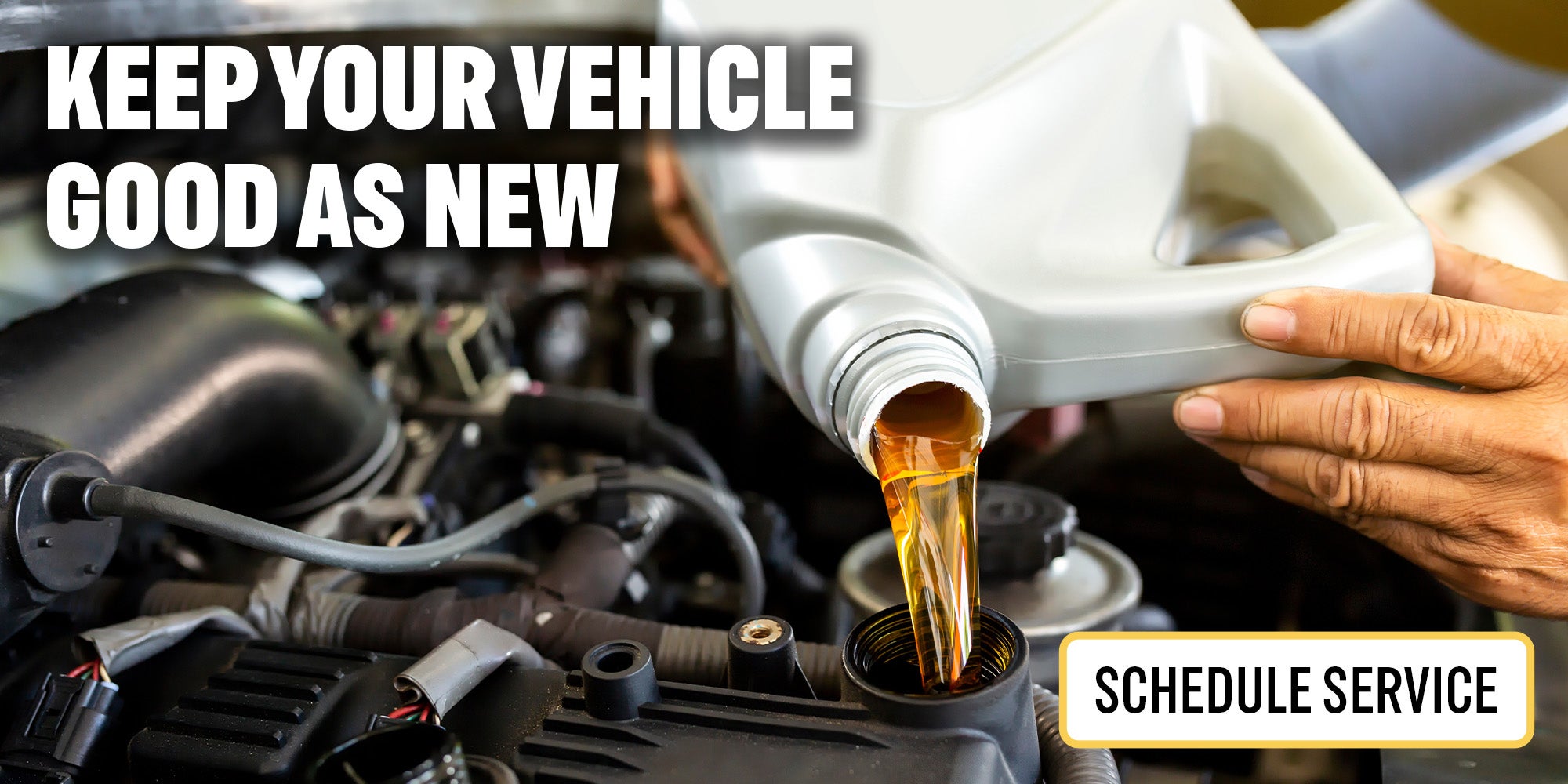
Change the oil and oil filter: Frequent oil and filter changes are among the most crucial aspects of preventative car maintenance. Oil is the heart of your engine, providing lubrication to decrease any friction between moving parts, cooling by dissipating heat, and cleaning by carrying away contaminants. Over time, however, oil degrades and becomes less effective, which can lead to wear on your engine and potential damage.
Check windshield washer fluid, power steering fluid, coolant, and transmission fluid levels: Maintaining the various fluids in your vehicle is vital for heightened performance and longevity. Regularly checking and replenishing these fluids helps ensure that your car runs smoothly and prevents potential issues down the road.
Inspect tires: Tires are your vehicle's only contact with the road, so their condition directly impacts safety. Properly inflated and well-maintained tires provide optimal traction, which is crucial for safe handling, especially in adverse weather conditions. Worn or underinflated tires can lead to reduced grip, increasing the risk of accidents.
Every 15,000 to 30,000 Miles
Replace air filter: A clogged, dirty air filter decreases the amount of air entering the engine, causing it to work harder and consume more fuel. This can reduce your vehicle's fuel efficiency. By replacing the air filter at the recommended car maintenance by mileage, you can sustain your car's fuel economy.
Replace fuel filter at 25,000 miles: A fresh fuel filter guarantees that only clean fuel reaches your engine. When the fuel filter becomes clogged, it restricts the flow of fuel, causing the engine to work harder and less efficiently. This can lead to poor acceleration, reduced power, and rough idling.
As-Needed Services
Brake rotor replacements: Brake rotors should be replaced every 70,000 miles or when they show signs of wear, such as vibrations or loud noises. Worn-out brake rotors can lead to decreased braking performance and increased risk of accidents.
Spark plug replacements: Spark plugs should be replaced every 100,000 miles, or according to the manufacturer’s recommendations. Regular spark plug changes ensure proper engine performance and prevent costly repairs.
Power steering fluid changes: Power steering fluid should be changed every 50,000 miles, or according to the manufacturer’s recommendations. Regular power steering fluid changes ensure proper steering performance and prevent corrosion.

Consult the Owner’s Manual for Service Recommendations
Your car’s owner’s manual provides specific maintenance recommendations and guidelines unique to your vehicle. Following these guidelines ensures optimal performance and longevity.
Earn Rewards at Every Milestone
Many service centers offer rewards programs where you can earn benefits at every maintenance milestone, from oil changes to timing belts. These programs transform routine checks into savings you can count on for the road ahead.
Due for Service? Common Questions and Answers
Preventative car maintenance needs vary depending on the type of vehicle and its specific manufacturer guidelines. Many manufacturers recommend a maintenance schedule based on mileage milestones, often referred to as the 30-60-90 schedule. This schedule helps keep your vehicle in top shape through regular checkups at 30,000, 60,000, and 90,000 miles.
Why Is Regular Preventative Maintenance So Important for Your Vehicle?
Regular vehicle maintenance is key to preventing any costly or irreparable damage. By following our general guideline of services and sticking to a mileage-based maintenance schedule, you can ensure your vehicle remains healthy and reliable for years to come. If your vehicle is ready for preventative routine maintenance, schedule service at Moore’s Chevrolet today!